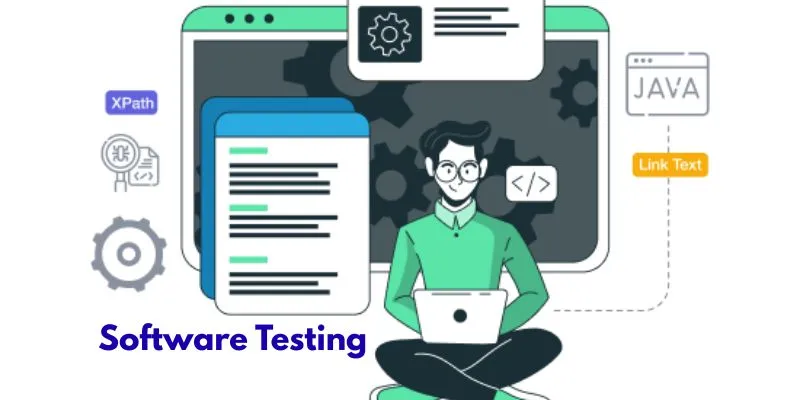
As technology moves forward and software becomes more complex, organisations need to release high-quality applications faster. Traditional testing methods often cannot keep up because they depend on manual work and fixed automation scripts. Artificial Intelligence (AI) and Machine Learning (ML) are changing this by bringing in automation that can learn, adapt, and get better over time. With AI and ML, quality assurance becomes more efficient, accurate, and fast. Taking a Software Testing Course in Gurgaon at FITA Academy can help learners see how AI and ML are changing testing methods and get them ready to use smarter, more effective testing solutions in real projects.
1. The Need for AI and ML in Modern Software Testing
With agile development and continuous delivery models, software updates are rolled out more frequently than before. Manual testing cannot keep pace with the speed and complexity of current software systems. Even traditional automation requires frequent updates, as minor changes in code or user interface often cause tests to fail.
AI and ML address these challenges by making testing smarter and more resilient. These technologies analyze large volumes of data, learn from past patterns, and predict potential risks. This enables teams to detect defects earlier and deliver more stable applications. As a result, testers can focus on strategic and exploratory testing while repetitive tasks are handled automatically.
2. Automating Test Case Creation and Execution.
One of the aspects of software testing that takes the longest is developing and maintaining test cases. By creating test scripts using user stories, requirements, and historical test data, AI and ML can expedite this process. Enrolling in a Software Testing Course in Ahmedabad helps learners gain practical knowledge of how AI and ML streamline test case generation, reduce manual effort, and improve overall testing efficiency.
For instance, AI-driven tools can monitor user interactions within an application and automatically produce test cases that simulate those actions. Over time, the system learns from repeated testing cycles and enhances the relevance and precision of generated tests. This approach saves time and ensures that testing keeps pace with software changes. It also removes redundancy by prioritizing only the most critical test cases.
3. Intelligent Defect Prediction and Prevention
AI’s predictive capabilities are reshaping how QA teams ensure product quality. By studying historical defect data, code changes, and commit histories, AI systems can identify parts of the application that are more prone to errors.
This process, known as predictive defect analysis, helps testing teams focus their efforts effectively. For example, if an AI model identifies that certain modules, such as payment systems, frequently fail after updates, it can suggest extra testing in those areas. This proactive approach focuses on preventing defects before release, improving reliability and user satisfaction. A Software Testing Course in Cochin helps learners master such predictive testing methods.
4. Smarter Test Maintenance with Machine Learning
One major challenge in automation testing is maintaining scripts when the application changes. When elements like buttons or layouts are modified, tests often fail and need manual updates. Machine Learning simplifies this through self-healing automation.
ML-based testing tools can recognize when an element has changed and automatically update the corresponding test script. For instance, if a button label or position changes, the system identifies it and adjusts the script without human intervention. This significantly reduces test maintenance efforts and ensures continuous, uninterrupted testing across frequent releases.
5. Enhancing Test Coverage Through AI Analytics
AI-powered analytics play an important role in identifying areas that lack sufficient test coverage. By analyzing data from test results, user behavior, and defect reports, AI tools can reveal untested scenarios and potential weak spots.
For example, if analytics show that certain user journeys or devices have not been covered in recent test cycles, AI can automatically generate additional cases to fill these gaps. This guarantees that the software performs consistently across all platforms and environments. AI-based visual testing detects UI issues like misalignment or color errors, ensuring consistency and a better user experience. A Software Testing Course in Dindigul teaches these advanced techniques.
6. The Role of AI in Performance and Security Testing
Testing for security and performance is crucial to making sure that software products are reliable and safe. AI and ML enhance these areas by analyzing performance data and predicting issues before they affect users. In performance testing, AI tools can simulate thousands of simultaneous user interactions and evaluate metrics like response time, scalability, and stability. The data gathered helps developers identify performance bottlenecks and optimize system efficiency.
In security testing, AI algorithms can detect unusual activity or code patterns that indicate vulnerabilities. By learning from real-world attack data, AI strengthens application security and reduces risks associated with cyber threats.
7. Balancing AI with Human Expertise
Although AI and ML automate and accelerate testing processes, human expertise remains crucial. While machines excel at pattern recognition and data analysis, human testers provide creativity, intuition, and domain-specific understanding. AI handles repetitive, data-heavy tasks, while human testers focus on usability and user experience. This balance ensures high-quality, user-friendly software. A Software Testing Course in Kanchipuram helps learners master this collaboration between AI tools and human expertise.
Also Check:
Top Benefits of Implementing Effective Software Testing Strategies